
 By
Barre Pilates is a low-impact workout combining ballet, Pilates, and yoga principles to enhance strength, flexibility, and posture through small, controlled movements. It targets core engagement and muscle toning without bulk barre class KL, making it suitable for many seeking mindful, joint-friendly exercise. However, those with severe joint issues should approach with caution and professional guidance. While it differs from traditional workouts, its unique benefits and precautions are worth understanding further for anyone considering this practice.
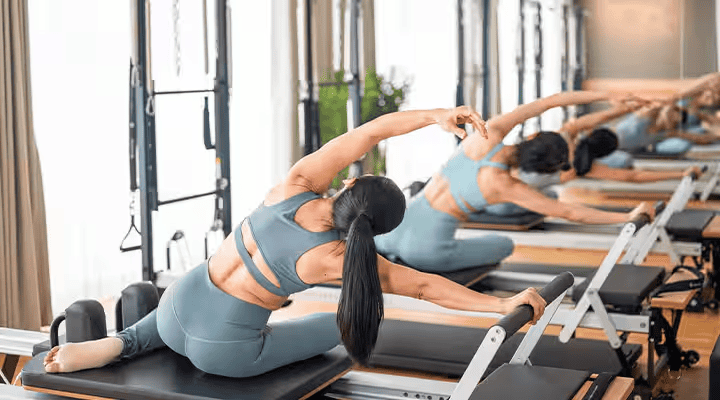
What Is Barre Pilates and How Does It Work?
At the intersection of ballet, Pilates, and yoga, Barre Pilates combines elements from each discipline to create a low-impact workout focused on strength, flexibility, and posture. It utilizes small, controlled movements often performed at a ballet barre, promoting muscle toning without bulk.
The method emphasizes core engagement, alignment, and balance, fostering body awareness and fluidity. Breath control, borrowed from yoga, supports movement precision and relaxation.
Sequences target specific muscle groups, encouraging endurance and sculpting while reducing strain on joints. By blending isometric exercises with dynamic stretches, Barre Pilates offers a holistic approach to physical fitness. This fusion caters to those seeking a disciplined yet liberating practice that encourages mindful movement while enhancing overall body function and grace.
Who Should Try (Or Avoid) Barre Pilates?
Barre Pilates offers a unique combination of strength and flexibility training that can benefit a wide range of individuals.
Those seeking low-impact exercise that enhances posture, balance, and core strength often find it particularly appealing. It suits people desiring a mindful movement practice that promotes body awareness without heavy strain.
However, individuals with certain injuries, such as severe joint issues or acute musculoskeletal conditions, might need to avoid or modify exercises to prevent exacerbation. Beginners should consider professional guidance to ensure proper form and prevent injury.
Ultimately, Barre Pilates invites those seeking freedom in movement and gradual physical empowerment, while cautioning those with specific medical concerns to consult healthcare providers beforehand. This approach guarantees safety and maximizes benefits.
How Does Barre Pilates Compare to Other Workouts?
When examining fitness options through the lens of effectiveness and accessibility, Barre Pilates stands out for its distinctive blend of strength, flexibility, and balance training.
Unlike traditional Pilates, which emphasizes core control and mat work https://la-pilatesstudio.com/, Barre Pilates incorporates ballet-inspired movements and is often performed at a barre, adding an element of stability and resistance.
Compared to high-impact workouts like running or HIIT, Barre Pilates offers a low-impact alternative that reduces joint strain while still promoting muscle endurance.
It also contrasts with weightlifting by focusing on smaller, controlled movements rather than heavy resistance. This combination allows individuals to engage multiple muscle groups simultaneously, fostering functional strength and improved posture without the intimidation or intensity some other workouts might present.
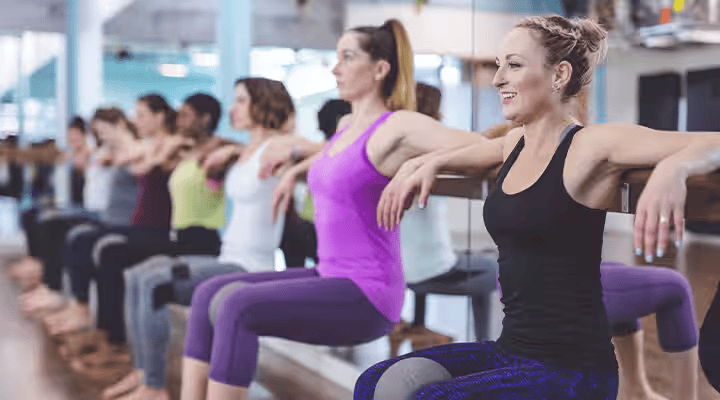
Proven Benefits of Barre Pilates
Among various fitness routines, Barre Pilates has demonstrated multiple proven benefits that contribute to overall physical health and well-being.
This method combines low-impact strength training with flexibility and balance work, effectively enhancing muscle tone without bulk.
Studies show it improves core strength and posture by targeting small stabilizing muscles often neglected in other workouts.
Additionally, Barre Pilates promotes joint mobility and increases body awareness, which supports injury prevention and functional movement in daily life.
Its emphasis on controlled, precise movements also aids in stress reduction and mental focus, fostering a sense of calm and mindfulness.
The accessibility of Barre Pilates allows individuals of varying fitness levels to engage fully, encouraging sustained commitment and a greater sense of freedom in movement and lifestyle.
Are There Any Risks or Downsides to Barre Pilates?
Participants in Barre Pilates classes occasionally encounter certain risks and limitations associated with the practice. While generally low-impact, Barre Pilates involves repetitive movements and small muscle engagement, which can lead to overuse injuries or muscle strain if performed excessively or without proper form.
Individuals with pre-existing joint issues or osteoporosis should approach with caution, as some poses may place undue stress on vulnerable areas. Additionally, the emphasis on isometric holds and balance may challenge beginners, increasing the risk of falls or muscle fatigue.
Barre Pilates may also lack cardiovascular intensity for those seeking more aerobic exercise. Overall, while Barre Pilates offers freedom through controlled movement and body awareness, users should remain mindful of their physical limits and consult professionals to minimize potential downsides.
Conclusion
Barre Pilates combines elements of ballet, Pilates, and yoga to offer a low-impact, full-body workout. It is suitable for most individuals seeking improved strength, flexibility, and posture, though those with specific injuries should consult a professional. Compared to other workouts, it emphasizes controlled movements and muscle endurance. Scientific evidence supports its benefits in enhancing core strength and overall fitness. While generally safe, potential risks include strain from improper form, underscoring the importance of proper instruction.